
Reporting and analysis may discuss allegations and online theories. Allegations are not findings of guilt. Verify important details in the cited public record.
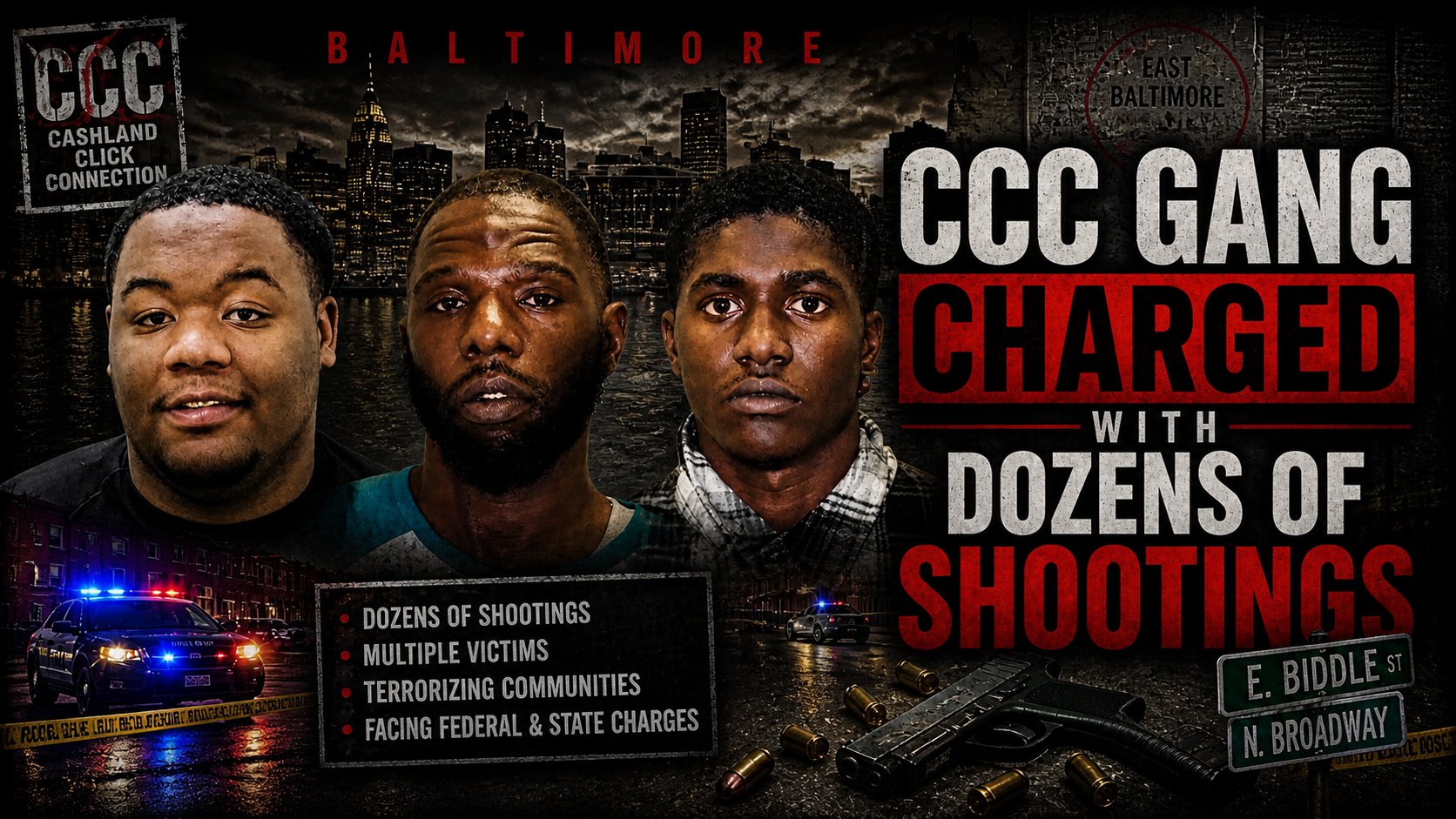
Baltimore CCC Gang Charged With Dozens Of Shootings
Overview
Baltimore federal prosecutors described Triple C, also known as CCC or Cruddy Conniving Crutballs, as a violent Baltimore street gang accused of turning parts of East and Northeast Baltimore into a racketeering zone built around murders, attempted murders, drug shops, robberies, carjackings, witness intimidation, and social media threats. The main federal indictment was unsealed in June 2021 and accused 15 defendants of involvement in a criminal enterprise tied to 18 murders and 27 attempted murders between 2015 and 2020. Prosecutors said the group operated drug shops in Darley Park and Orchard Ridge, selling heroin, fentanyl, crack cocaine, marijuana, and other drugs.
The Alleged Enterprise
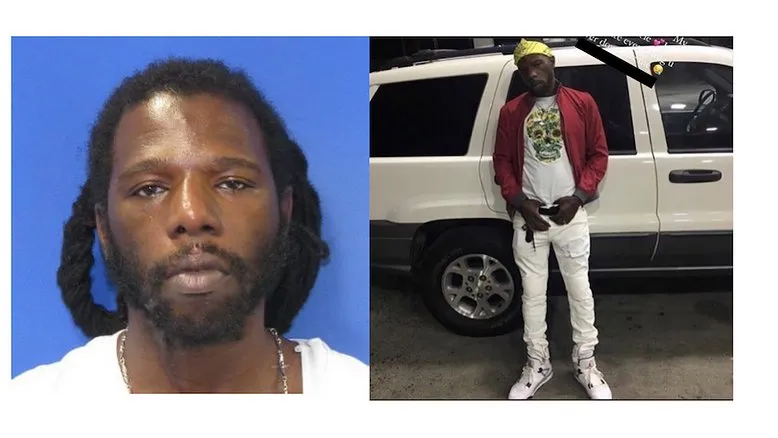
According to the indictment, Triple C was not just a loose neighborhood crew. Prosecutors alleged it had structure, rules, leadership, firearms access, social media communication, and a system for removing arrested members from chats so police could not recover conversations from seized phones. Gary Creek, also known as Hov, was accused of founding Triple C as an alternative to the Black Guerilla Family, while Darrell Carter and Correy Cawthorn were described as holding prominent roles inside the group. Prosecutors also alleged Creek took contract murders on behalf of Triple C and ordered members to carry them out.
The Fifteen Defendants Named In The Federal Case
The defendants named in the second superseding indictment were Desmond Butler, also known as Dez; Darrell Carter, also known as Black Ice; Correy Cawthorn, also known as Fat Correy; Michael Chester, also known as Mikkie; Darien Coleman, also known as DCole; Gary Creek, also known as Hov; Richard Grier, also known as Rich Homie; Robert Harris Howell, also known as Slim; Dayon Jeter, also known as Savage; Desean Johnson, also known as Boosie; Raekwon McMann, also known as Ray Ray; Keishonne Moore, also known as Keedie; Rashaud Nesmith, also known as Shaud; Tyeshawn Rivers, also known as Shawn; and Alonzo Tunnell, also known as Lo.
How Prosecutors Said CCC Operated
The case file reads like a map of modern street violence: phones, rap videos, group chats, location sharing, jail calls, and ballistics. Prosecutors said Triple C members used social media to identify victims, locate rivals, promote the gang, threaten enemies, and discuss retaliation. They also said members traded guns with each other and other associates to avoid being connected through ballistic evidence. Law enforcement later said NIBIN, the federal ballistic matching system, helped connect firearms to multiple crime scenes.
The Violence Alleged
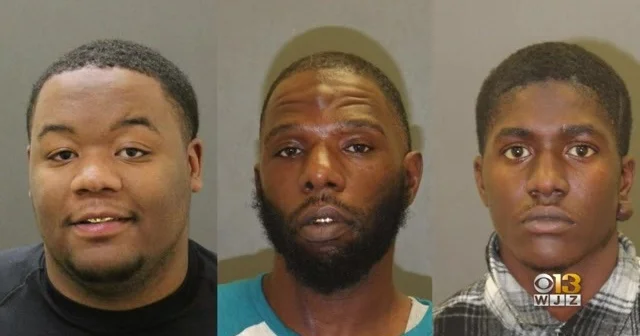
The indictment accused Triple C members and associates of a racketeering pattern that included 18 murders, 27 attempted murders, robberies, carjackings, assaults, witness intimidation, drug trafficking, and firearms crimes. Federal officials said more than 50 officers took part in arrests and search warrants on June 2, 2021, with some defendants already in custody on other charges.
Confirmed Guilty Pleas And Sentences
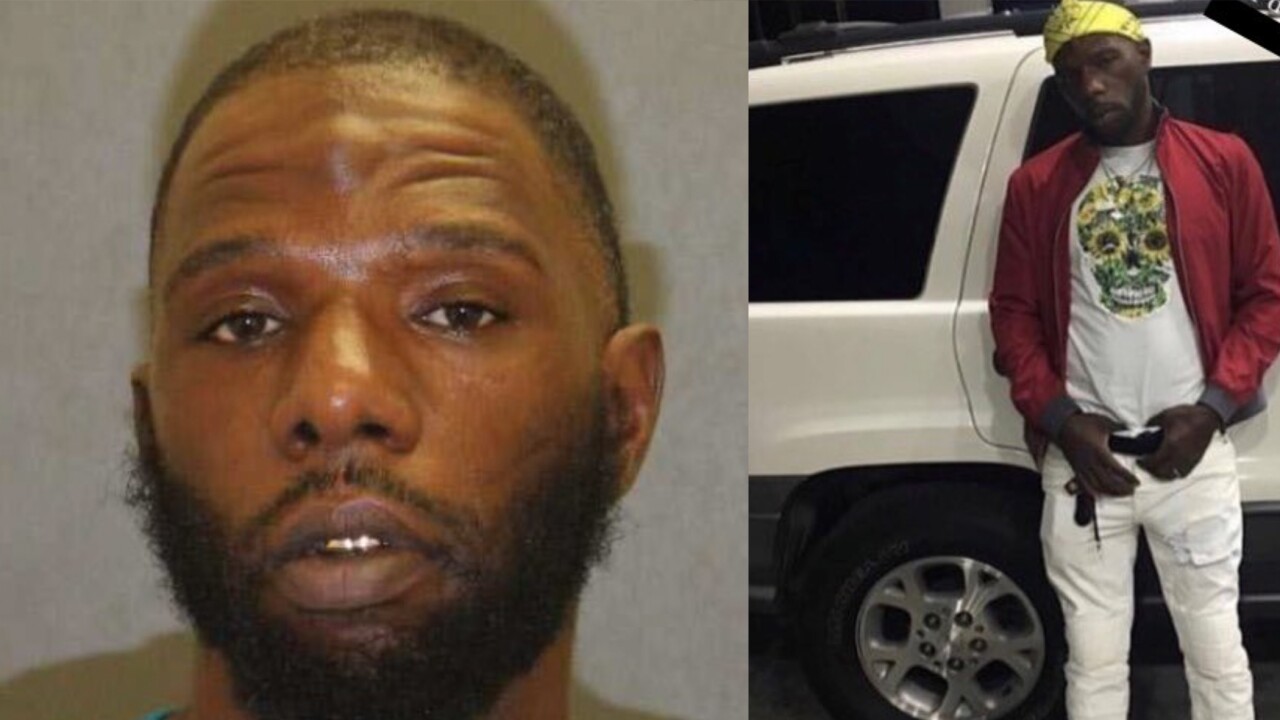
By January 2024, federal prosecutors said the Triple C investigation had led to 34 guilty pleas from members and associates. Darien Coleman was sentenced to 270 months in federal prison, while Darrell Carter was sentenced to 300 months. Desmond Butler received 30 years, while Wayne Gilliam and Tyeshawn Rivers each received 25 years. Raekwon McMann received 25 years. Rashaud Nesmith received 40 years. Michael Chester received 20 years. Correy Cawthorn later received 420 months, which equals 35 years, and the Fourth Circuit mostly upheld the outcome in 2025.
Specific Murders And Attempted Murders Named In Court
Michael Chester admitted he was present at five murders where other conspiracy members fired guns: Devonte Monroe on August 19, 2017, Carols Jones on August 28, 2017, Diamante Howard on April 21, 2018, Darius Mason on July 29, 2018, and Corey Moseley on December 31, 2018. Chester also admitted he was present at an attempted murder on April 4, 2018, and that on May 1, 2018, he was found with a firearm that matched the gun used in that attempted murder.
Desmond Butler admitted participating in the August 19, 2017 murder of Devonte Monroe on Durham Street, the April 21, 2018 murder of Diamante Howard during a dice game on Fortview Way, the December 31, 2018 murder of Corey Mosley, the February 24, 2019 robbery and attempted murder of Q.W. on Cedonia Avenue, and the July 4, 2019 attempted murders of A.C. and D.R. on Bowley’s Lane.
Tyeshawn Rivers admitted participating in the August 5, 2020 murder of Donya Short, the April 4, 2018 attempted murder of rival gang members on Mayfield Avenue, and the March 17, 2020 attempted murder of T.B. and others on McMechen Street. Prosecutors said Rivers later possessed a .45 caliber handgun that matched shell casings from Donya Short’s murder.
Darrell Carter admitted participating in the October 27, 2015 murder of Quinton Heard, and the June 1, 2016 attempted murder of A.F. on Tivoly Avenue. Prosecutors said that attempted murder was tied to an alleged $10,000 contract on A.F.’s life. Carter also admitted possessing a loaded 9mm handgun on Harford Road in November 2020.
Raekwon McMann admitted being present at the July 29, 2018 murder of Darius Mason and the April 22, 2019 murder of Larry Matthews. He also admitted being present for attempted murders on February 24, 2019 and April 14, 2019.
Rashaud Nesmith’s case stretched beyond the Triple C racketeering count into a separate robbery and carjacking conspiracy. He admitted participating in an April 19, 2019 carjacking, the July 23, 2019 robbery of Devon Chavis where Chavis was shot and killed, the August 1, 2019 attempted robbery of Kendrick Sharpe where Sharpe was shot and killed, and an August 8, 2019 robbery where another victim was shot and badly injured.
The Social Media Angle
One of the most important parts of this case is how prosecutors described CCC’s use of the internet. They alleged members posted rap videos, flashed guns, promoted the gang, threatened enemies, warned against snitching, and used online communication to track rivals and talk about retaliation. The indictment even referenced lyrics from a rap video where one artist said, “ain’t no Crip or no Blood, I’m Triple C baby.”
The Ballistics Angle
This case was not just built from street talk. Prosecutors repeatedly pointed to firearms evidence and NIBIN, the federal ballistic intelligence system, as a key part of the investigation. They said Triple C members and associates used at least 14 firearms in crimes and often traded guns to avoid detection. In the original indictment, the government also sought forfeiture of cash, drugs, 16 firearms, 250 rounds of ammunition, and other proceeds.
Why The CCC Case Became One Of Baltimore’s Biggest Gang Takedowns
What makes the CCC case stand out is the scale. Prosecutors were not describing one shooting, one drug corner, or one retaliation. They were describing a five-year pattern where murders, attempted murders, robberies, carjackings, dice game robberies, contract hits, drug dealing, and social media intimidation all allegedly worked together as one violent system. By the time later sentencing records came out, the case had grown into one of Baltimore’s biggest federal gang takedowns, with 34 guilty pleas tied to Triple C members and associates.


