
Reporting and analysis may discuss allegations and online theories. Allegations are not findings of guilt. Verify important details in the cited public record.
The Case File
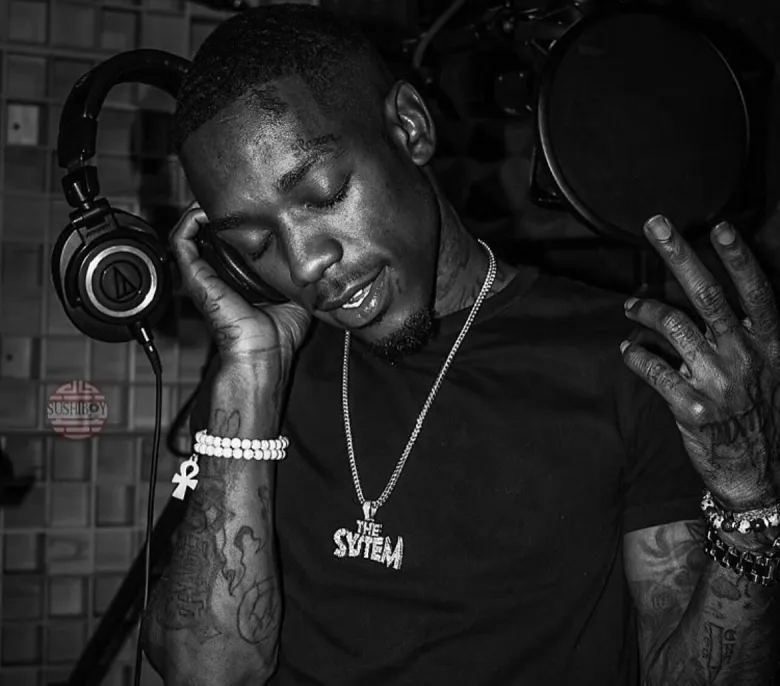
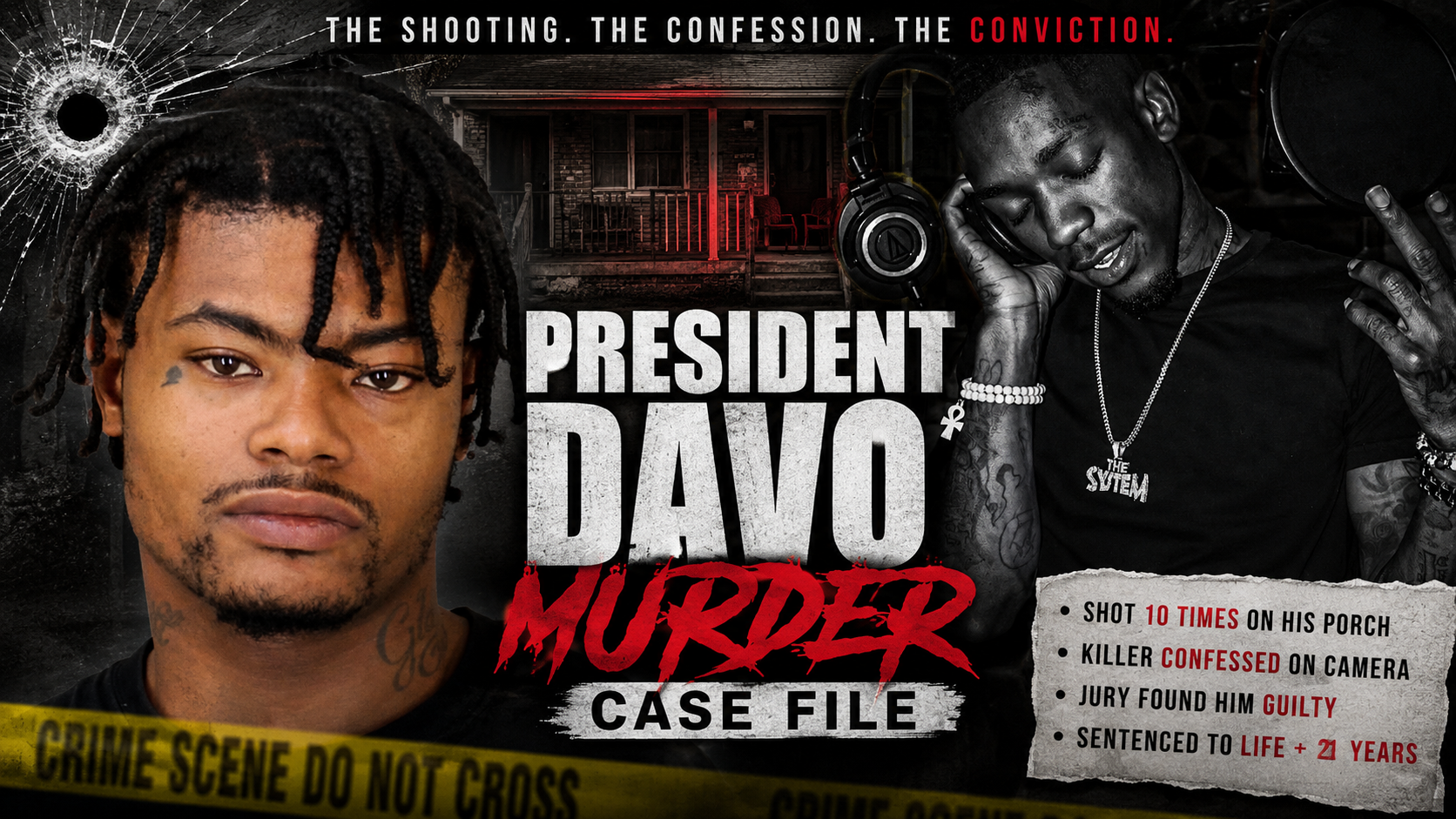
David Boykin, known across Baltimore as President Davo, was shot and killed on October 6, 2023, outside a home on the 2000 block of Cliftwood Avenue. Police found the 28-year-old rapper suffering from multiple gunshot wounds in South Clifton Park, and the case quickly spread across Baltimore because Davo was not just another name in a police report. He was a known local artist, a father, and one of the voices people connected to Baltimore’s street rap scene.
The investigation later led detectives to Earl Lee, a 27-year-old man arrested in East Baltimore on November 8, 2023. Police charged Lee with first-degree murder and multiple firearm offenses connected to Boykin’s death. The case then moved into court, where prosecutors presented witness testimony, surveillance evidence, and Lee’s own interrogation statements before a jury found him guilty of first-degree murder, firearm use in a violent crime, and illegal firearm possession.
The Shooting On Cliftwood Avenue
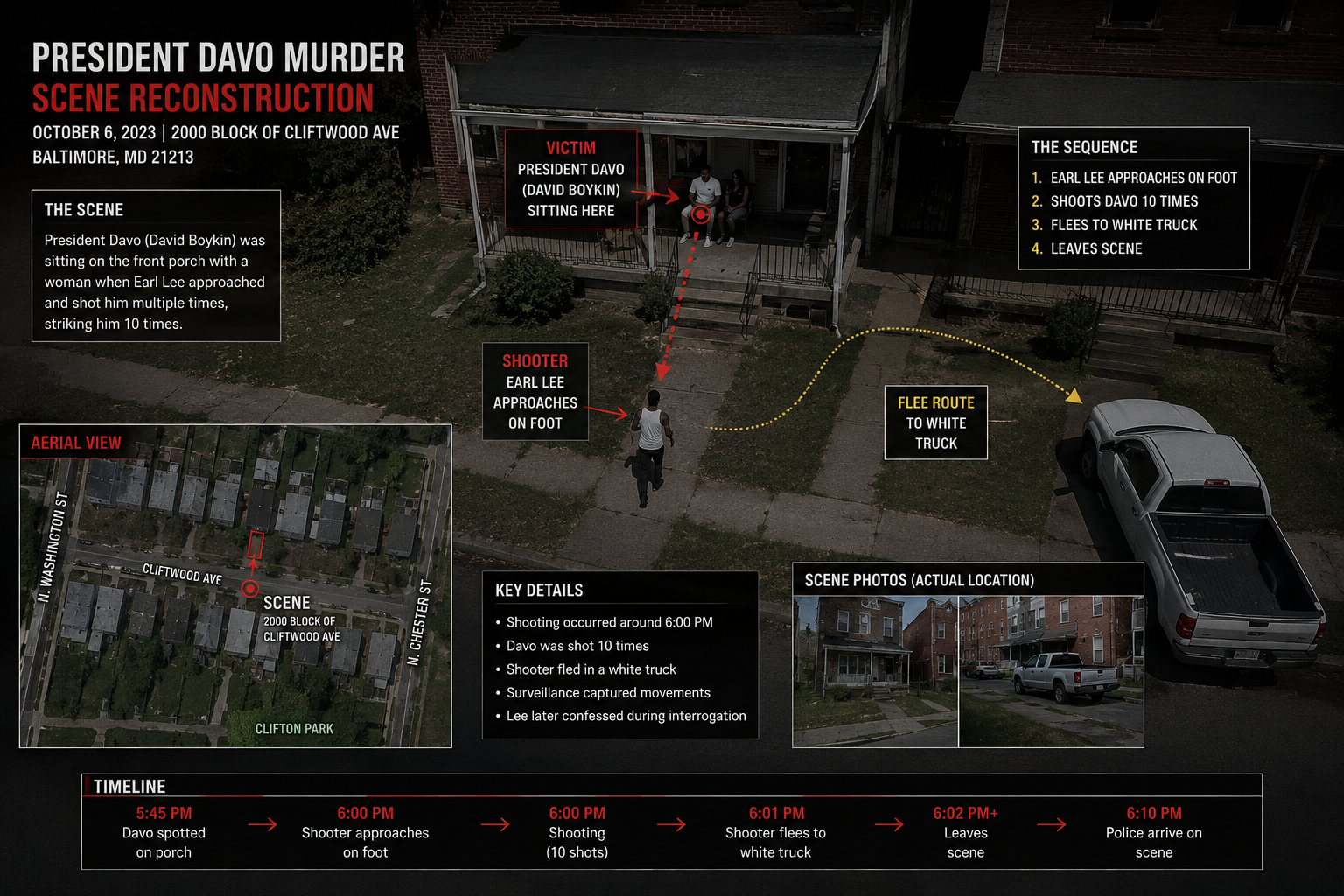
The shooting happened outside Boykin’s home on Cliftwood Avenue, between North Washington and North Chester streets, just south of Clifton Park. Court reporting described Boykin sitting on a porch with a woman when Lee walked up and shot him ten times shortly after 6 p.m. That detail became one of the strongest parts of the prosecution’s case because the killing was presented as direct, close-range, and deliberate rather than a random neighborhood shooting.
After the gunfire, Lee was later accused of fleeing in a white truck, with area surveillance tying him to the vehicle. That movement became part of the evidence trail prosecutors used to connect Lee to the homicide. The case did not depend only on rumors surrounding Davo’s name or speculation from the internet. Prosecutors built the case around the shooting location, the movement after the murder, surveillance evidence, and statements Lee later gave to police.
The Arrest And Charges
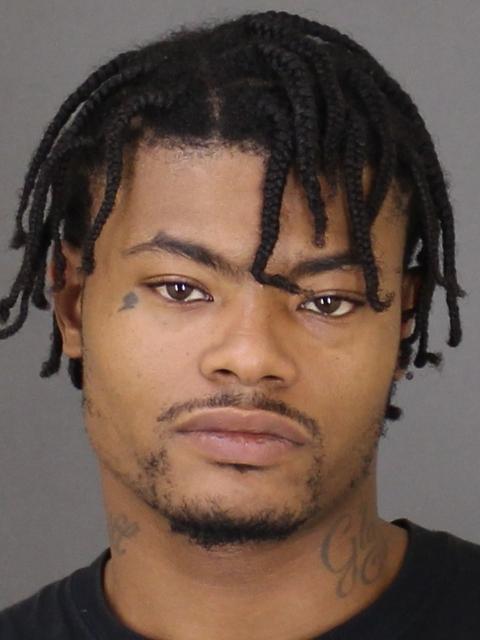
More than a month after the murder, Baltimore police arrested Earl Lee in East Baltimore. At the time, police said Lee was charged with first-degree murder and multiple gun offenses connected to the killing of President Davo. The arrest gave the case a clear suspect and moved it away from open speculation, which is why this file has a stronger legal backbone than many rapper murder cases that never reach trial.
Lee’s case eventually moved through Baltimore City Circuit Court before Judge Kendra Y. Ausby. Prosecutors accused him of killing Boykin outside the home, while the defense later challenged Lee’s own statements and argued that his confessions during questioning were not truthful. That dispute became one of the central courtroom issues because Lee gave multiple versions of events during his interrogation.
The Interrogation And Conflicting Stories
One of the most important pieces of the trial was Lee’s recorded police interrogation. Jurors watched hours of questioning where detectives worked through Lee’s changing stories. According to court coverage, Lee eventually admitted to committing the shooting and wrote that the reason for the attack was because Boykin had threatened his children and placed a $50,000 bounty on him. Detectives also asked how Lee knew Boykin would be on the porch, and Lee answered, “I did my homework,” which prosecutors used to suggest premeditation.
Lee later took the stand and denied killing Boykin. He claimed his confessions were lies and said he only told detectives what he thought they wanted to hear because he believed it would help him go home. That contradiction became a major part of the case because jurors had to weigh his courtroom denial against the recorded interrogation, the confession, the surveillance evidence, and the prosecution’s timeline.
The Trial And Conviction
On June 28, 2024, a jury found Earl Lee guilty of first-degree murder, firearm use in a felony or violent crime, and firearm possession with a felony conviction. Court coverage reported that jurors reached the verdict after hearing the interrogation evidence and testimony connected to the shooting. The conviction closed the central question of legal responsibility in the case, even though Lee continued to maintain his innocence afterward.
The guilty verdict gave Boykin’s family something many homicide families never receive: a courtroom outcome. The case did not end with only a memorial post, a reward flyer, or unanswered speculation. It moved from the shooting scene to an arrest, from interrogation to trial, and from trial to conviction.
The Sentencing
On October 1, 2024, Lee was sentenced to life in prison plus 21 years. Judge Kendra Y. Ausby sentenced him to life for first-degree murder, 15 years for firearm use in a violent crime, and six years for firearm possession with a felony conviction, with the sentences ordered to run consecutively.
During sentencing, Boykin’s mother read a letter Davo had written to his family in July 2023, where he expressed love and hope for his three young children. Lee maintained his innocence, but the court described the killing as cold and deeply traumatic for the family, especially because they had to watch videos and interviews connected to the murder during the proceedings.
The Full Investigation Picture
The President Davo case file follows the shooting on Cliftwood Avenue, the arrest of Earl Lee, the surveillance trail, the interrogation, the conflicting statements, the trial testimony, the guilty verdict, and the life-plus-21-year sentence. The case stands out because it gives readers a complete legal path from the murder scene to the courtroom outcome, with prosecutors tying the shooting to a specific defendant and a jury ultimately finding him guilty.


